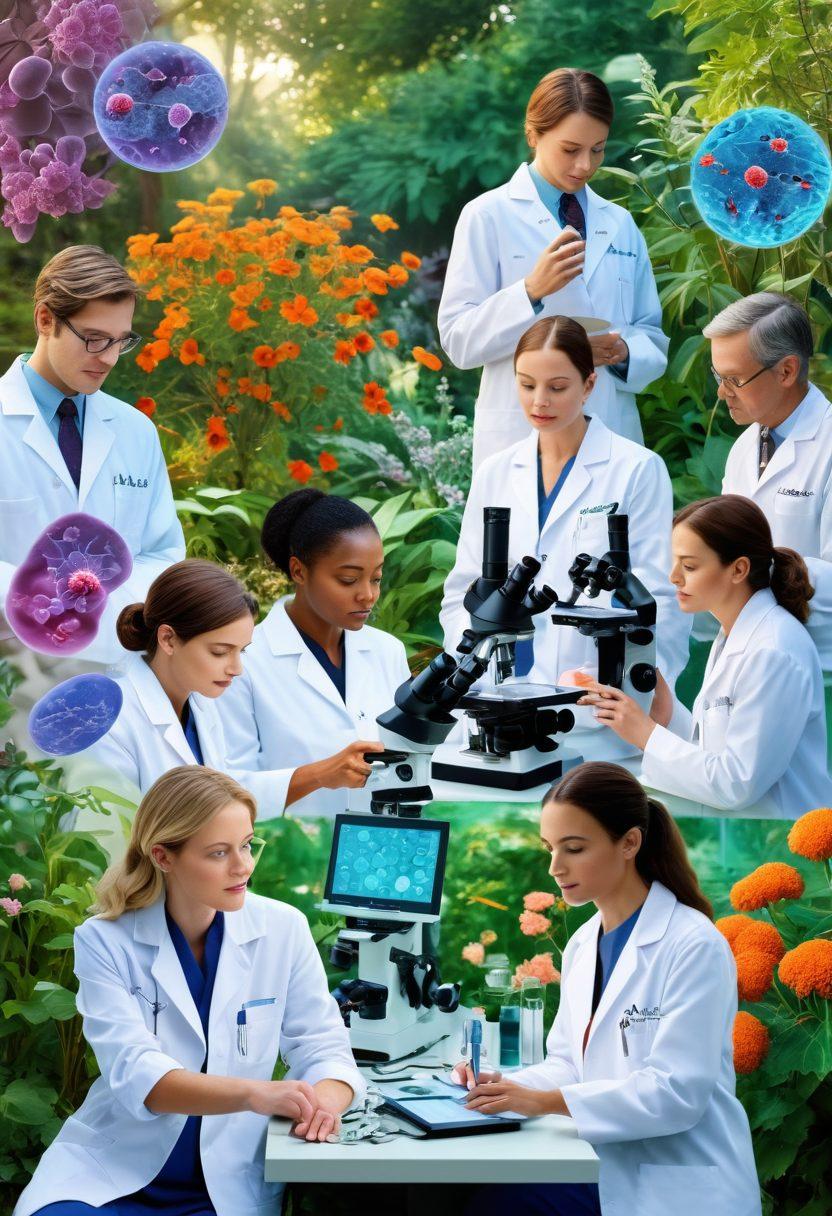
Navigating the Tumor Terrain: Essential Insights on Carcinoma, Treatment Options, and Patient Support
Carcinoma, a term often thrown around but rarely understood, represents one of the most common and dreaded malignancies worldwide. Patients diagnosed with carcinoma face a monumental journey filled with uncertainty, questions, and the occasional glimmer of hope. "What does my diagnosis mean for my future?" This question likely echoes in the minds of many, fueled by a mix of anxiety and determination. It’s crucial to demystify the world of carcinoma, charting a course from diagnosis to innovative treatment options and unveiling the incredible strides being made in healthcare.
In the world of medicine, the journey begins with a diagnosis. Recognizing the symptoms of carcinoma can be a daunting task; many indicators are subtle and often mirror other less sinister conditions. Patients are encouraged to actively participate in their healthcare by seeking help early and exploring preventive care measures, which may command attention from an oncologist if symptoms persist. Knowledge is power, and understanding the nuances behind cancer types and their particular warning signs can lead to early intervention, which is pivotal in improving survival rates. Statistics show that early diagnosis significantly enhances the likelihood of effective treatment and remission.
Once diagnosed, patients may be presented with a myriad of treatment options. The choice of therapy often depends on factors like cancer type, stage, and individual patient preferences. From traditional routes like chemotherapy and radiotherapy to innovative therapies emerging from ongoing clinical trials and medical research, the landscape of carcinoma treatment is rapidly evolving. There's a world of difference in each approach. Palliative care focuses on enhancing the quality of life during treatment, while survivorship programs empower individuals post-diagnosis, emphasizing wellness and lifestyle changes that can contribute to lasting health. It’s about finding a personal pathway through the complexities of oncology.
One cannot embark on this journey alone; patient resources and support groups are vital lifelines. Surrounding oneself with a community of individuals who have walked similar paths fosters a sense of belonging and understanding, often leading to transformative conversations that shift perspectives and inspire hope. Advocacy and education play crucial roles in raising awareness about carcinoma and its implications. Organizations dedicated to cancer news often provide the latest updates on research and foster fundraising initiatives that support crucial clinical trials, ultimately benefiting future patients.
As we unveil the complexities of carcinoma, it’s essential to recognize that each person’s experience is unique. Every story holds within it the potential for resilience and awareness, inviting us to face adversity with newfound courage. Have you ever considered how you can contribute to this community, be it through fundraising, joining support groups, or simply educating yourself and others about the fundamentals of cancer? Whether you’re a patient seeking knowledge or a caregiver wanting to provide support, there’s a dynamic world waiting to be embraced—a journey that connects you to others fighting the same fight. Together, we can illuminate the path forward in the realm of carcinoma and treatments, advocating for a better understanding and a brighter future for all affected.
Empowering Patients: Resources, Support, and Advocacy in the Fight Against Tumors
In the face of a cancer diagnosis, such as carcinoma, feelings of fear and uncertainty can wash over patients and their families like a sudden storm. Navigating this tumultuous landscape can be overwhelming, but armed with the right resources, support, and knowledge, patients can find their footing in the fight against malignancy. This post explores how education, community, and advocacy can empower patients as they face the fight against tumors and embark on their wellness journey.
Imagine receiving a diagnosis—you leave the oncologist's office with pamphlets about therapy options and clinical trials but feel like you've entered a war zone without a map. This scenario is all too familiar for many facing cancer. But fear not; education is your battle armor! By understanding the fundamentals of cancer, including symptoms and the importance of screening, patients can advocate for themselves effectively. Knowledge is power, as they say, and armed with accurate statistics, one can make informed choices about treatment options and lifestyle changes.
Support groups can feel like lifelines. Connecting with others who have faced similar challenges can foster a sense of belonging and understanding. These communities, which may even include online forums, allow individuals to share their experiences and feelings about their treatment journeys. 'We're not alone in this fight,' might be the rallying cry of those who attend these gatherings. Engaging with these programs can boost emotional wellness and offer insights into coping mechanisms, all while spreading awareness about innovative therapies and fundraising efforts for medical research.
Advocacy plays a crucial role in the broader fight against tumors as it drives awareness and funding for research. Every year, countless organizations host fundraising events and educational programs that mobilize support for survivors and their families. Are you interested in making a difference? Engaging in community initiatives can offer hope to others while enriching your own journey. With advocacy, awareness becomes a powerful tool—we can push for more extensive clinical trials that improve treatment options and push for greater access to preventive care.
As patients traverse the challenging terrain of a carcinoma diagnosis, the support they receive from fellow community members and survivor programs can illuminate their path. Transitioning into the survivorship phase may bring new queries regarding remission and palliative care. How do patients adjust to life after treatment? The journey is deeply personal, yet the shared experiences often forge bonds. Embracing wellness and celebrating each milestone with your support network not only fuels motivation but inspires others to engage in open discussions, advocate for expanded resources, and ultimately foster a culture of hope and resilience.
Exploring the Latest in Cancer Research: Clinical Trials, Wellness Strategies, and Beyond
Cancer research is a swirling blend of hope and uncertainty; a realm where dreams of living a ‘normal’ life can coexist with stark realities. As we dive into the depths of cancer research and the emerging treatment options for carcinoma, let’s not forget the heartbeat of our community: the patients brave enough to fight their malignancy. Have you ever wondered what it truly means to navigate the complex highways and byways of tumor treatment? Let's explore the latest advancements in clinical trials and wellness strategies that promise to illuminate the path ahead.
Clinical trials stand as beacons of hope in the world of medical research. These revolutionary studies aim not just at understanding cancer better but at pushing the boundaries of current treatment options. Imagine a world where an oncologist informs you about an innovative therapy in a clinical trial that could potentially benefit your specific type of carcinoma. Statistics might tell us that some treatments are more effective than others, but it's those personal stories of patients who have benefitted from these trials that tug at our heartstrings. Each smile of a survivor reminds us of the importance of these programs.
Have you considered what it means to adopt a proactive approach to your health? Preventive care and routine screening can play a pivotal role in catching carcinoma before it escalates. Acts as simple as asking your healthcare provider about the risk factors associated with different cancer types can shape your understanding and actions moving forward. We often overlook how lifestyle changes, such as improved nutrition or increased physical activity, can contribute to a robust wellness strategy, potentially leading to better outcomes during therapy. What small change can you make today that could pave the way for a healthier tomorrow?
As conversations about cancer treatment expand, so too do the conversations about patient resources. Support groups and advocacy initiatives are critical components in the broader cancer landscape. These platforms provide an invaluable network of individuals who not only understand your journey but can offer guidance that complements the clinical advice received from healthcare professionals. Participation in such communities can enhance your resilience and provide insight into the best wellness strategies when facing the challenges of remission or palliative care. Wouldn't it be comforting to know you're not alone as you navigate your journey?
In a world where cancer news is ever-evolving, staying informed becomes a powerful tool in any patient's arsenal. Engage with survivorship programs that not only provide education on navigating life after treatment but also encourage fundraising efforts aimed at advancing the fundamentals of cancer research. Each small contribution counts in the pursuit of innovative therapies, making a tangible difference in the lives of future patients. Together, as a community, we can advocate for more resources, better treatments, and a hopeful outlook towards eliminating the adverse impacts of carcinoma and its variants. How can you step up and become part of this change?